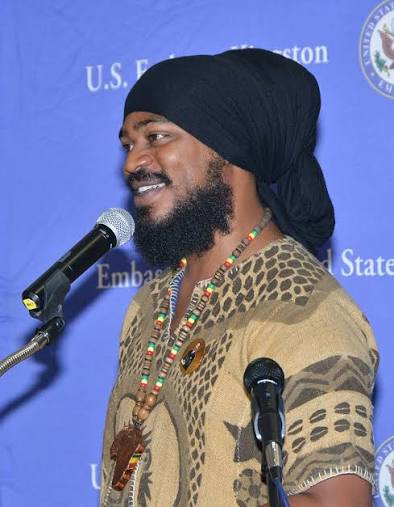
Miguel “Steppa” Williams: Dub Poetry, Community Activism and the Power to Change Lives
Gangunguru Steppa carries Jamaican dub poetry beyond the stage and into youth development, rehabilitation and community action.
By Masta Bruce · August 18, 2026
Miguel “Steppa” Williams, widely known as Gangunguru Steppa, brings together two traditions with deep roots in Jamaica: conscious spoken-word performance and community activism.
## Poetry With a Purpose
Steppa works in the tradition of Jamaican dub poetry, using rhythm, language and social commentary to address real conditions affecting communities. His performances have included cultural spaces such as the Jamaica Poetry Festival and community reasoning sessions.
Through the Forward Step Foundation, his work extends beyond performance into social outreach, relief efforts, counseling and youth development. The emphasis is practical: use creativity as one part of a larger effort to reach marginalized and high-risk people.
## Creative Therapy and Rehabilitation
Steppa has also used poetry and performance in rehabilitative programming involving adult and juvenile correctional environments. That work treats art not simply as entertainment but as a tool for reflection, communication and personal development.
His social-enterprise and advocacy work earned selection as a Young Leaders of the Americas Initiative Fellow through the U.S. State Department. The recognition reflects the broader reach of a Jamaican creative practice grounded in community responsibility.
## The Work Continues
For Steppa, the microphone and the community are not separate worlds. His work demonstrates how dub poetry can remain culturally powerful while also functioning as a direct instrument for mentorship, rehabilitation and change.